Research infrastructure
for the Quran
Start from an ayah, branch it with other students, and take it through a scholar and a scientist to a published research paper.
Let’s publish again.
Every time science finds something, the feed says the Quran said it 1400 years ago. If it did, why didn’t we find it first? AASAAR is where that work starts.
Hold my placeTag an ayah
Pick a verse and leave a question under it. Tap a root and read its whole range, not one translator’s choice.
- Open to everyoneThe first note needs no permission and no review. Nothing is gated.
- Four kinds of noteA theory you cannot drop, a translation you think is too narrow, a point where you are stuck, or a research paper you want checked against a verse.
- Four lensesEvery verse opens into the four prophetic tasks of 62:2. You pick the one you can actually work in.
What evidence in the earth would show how life began, and what would count against it?
Aafaaq and AnfusThe cosmos and the self: astrophysics, matter, biology, the nervous system.
KitabLaw, institutions, money and the state.
TazkiyaPsychology and collective reform: building systems that purify a society, not just a solitary monk.
HikmahTiming, priority, and who can enforce what.
Branch the reading
Other students fork your note from physics, Arabic, medicine or tafsir, and the strongest reading rises.
- Support or refuteA heart is not evidence. There are no likes here.
- No sect labelsA note carries one label: the verse it came from.
- Your own fieldCarry any reading into the discipline you can actually work in.
Science finds it.
We post a comment.
Change thatThe apologyWaiting for a journal, then claiming the verse had it first.
The premiseA verse is where the question starts, not where the headline ends.
The research paperYou go and find the thing, and you say what would prove you wrong.
The ayah is the premise.
Review by two people
A scholar of classical Arabic checks the root and the context. A researcher checks the method and the maths. Both sign, or it doesn’t move.
- Scholar checkEvery reading is held to the classical lexicons. Scope may widen. Roots do not move.
- Field checkThe method, the data and the maths, by someone who works there.
- A mentorAssigned once a note has been forked enough to become a draft.
“Name the observation that would sink this. Until it can fail, it is not a model.”
Example reviewPublish a research paper
What leaves the bench is a research paper, not a post. If a sentence isn’t yours, it doesn’t go out.
What the oldest rocks record: a method for reading origin evidence
- Baseline
- Quran 29:20, root ب د أ
- Method
- Comparison of dated rock records
- Falsifier
- A dated record that breaks the proposed sequence
- Link
- Permanent, with your name on it
- A methodHow you did it, so someone else can check.
- A falsifierThe observation that would prove you wrong.
- A permanent linkYour name on the work, for anyone to build on.
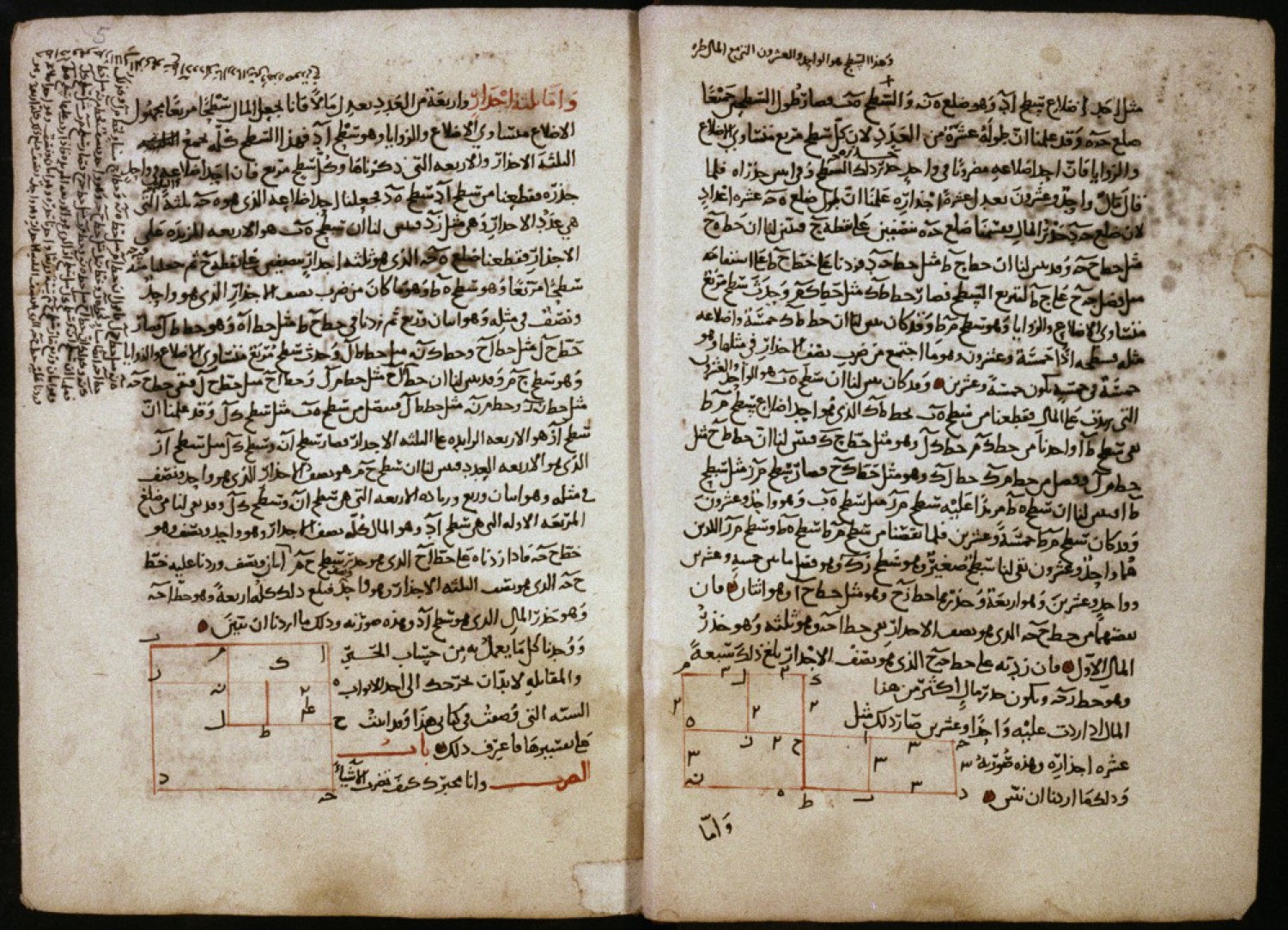
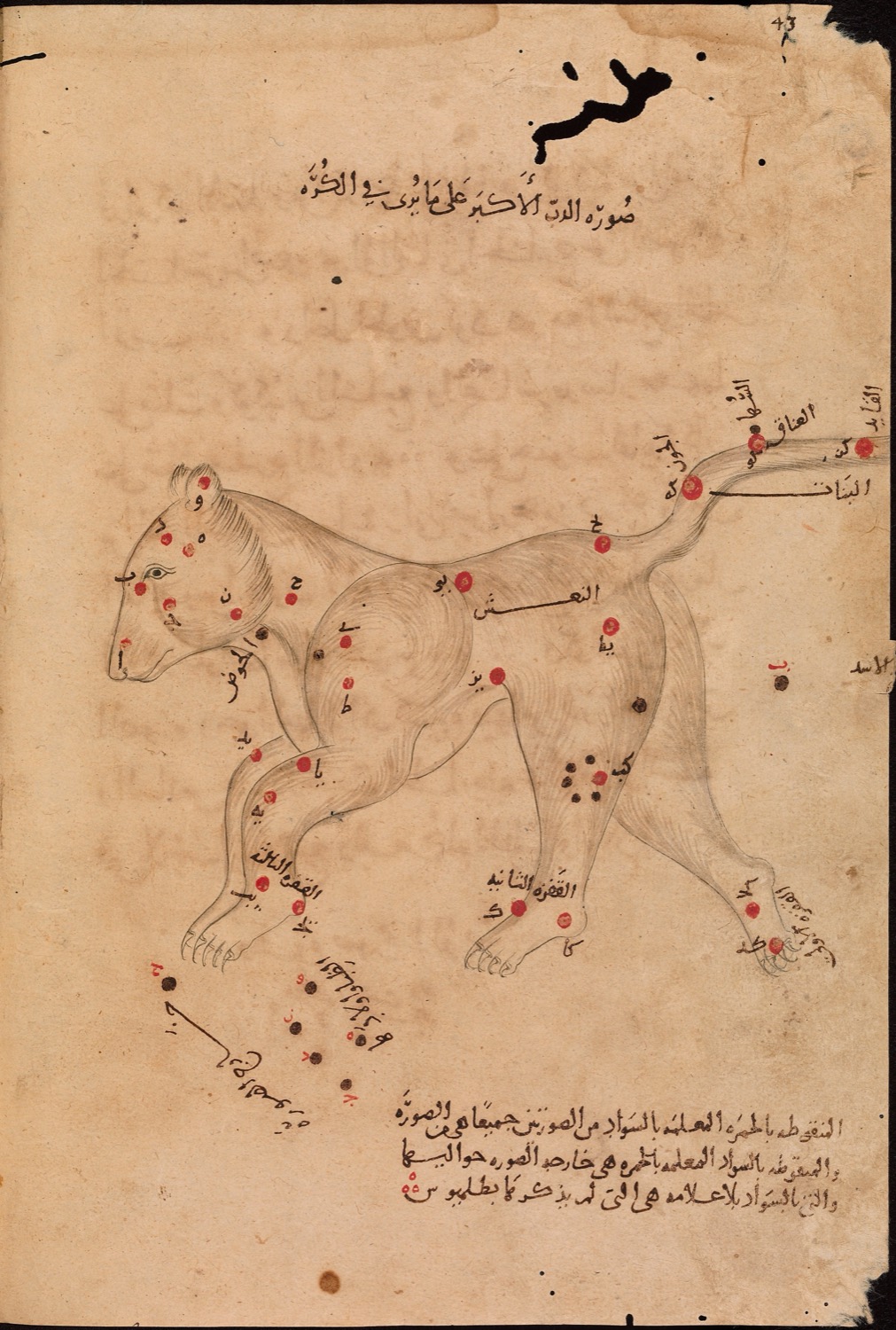
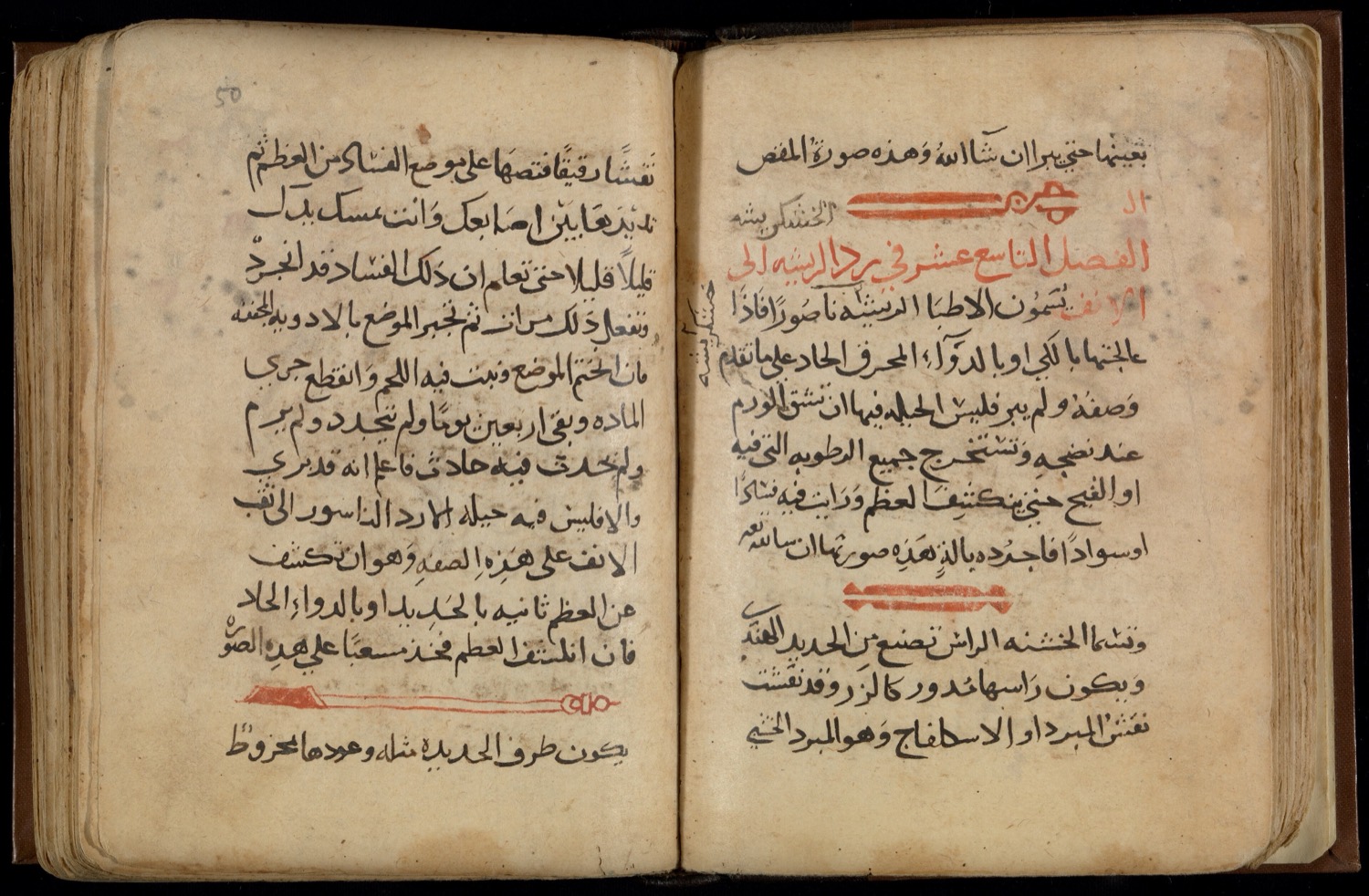
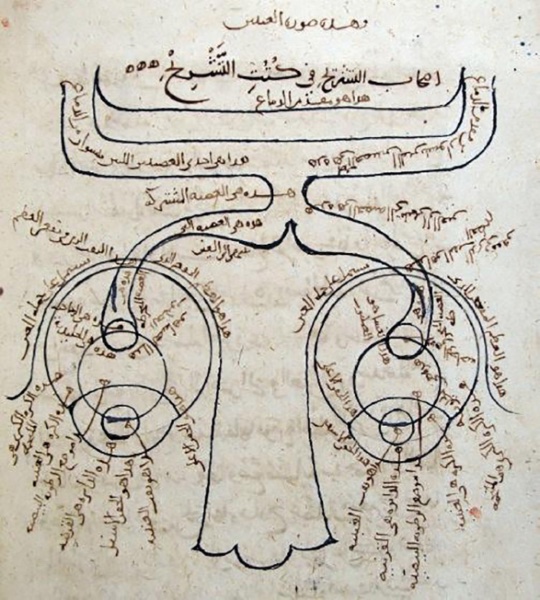
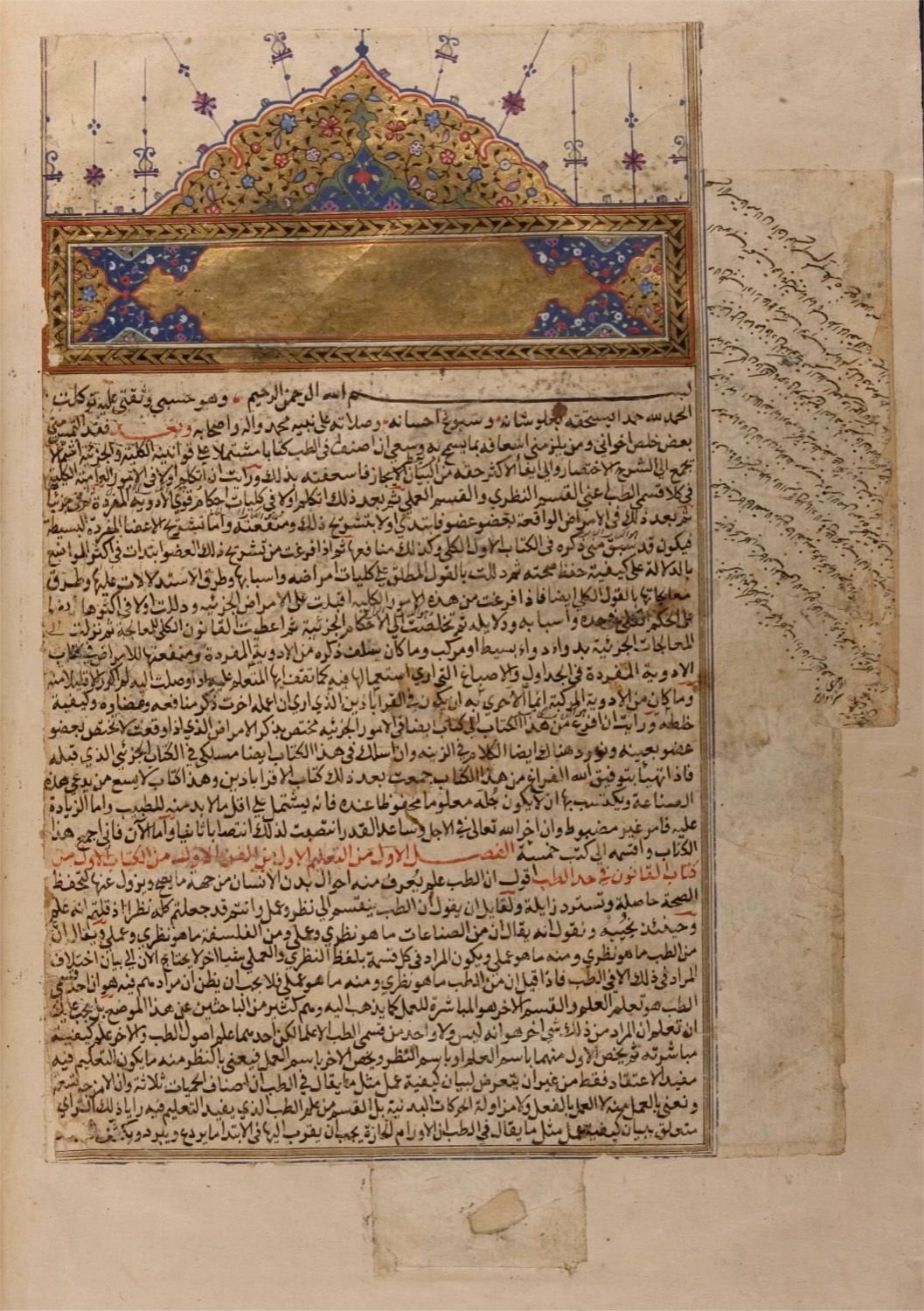
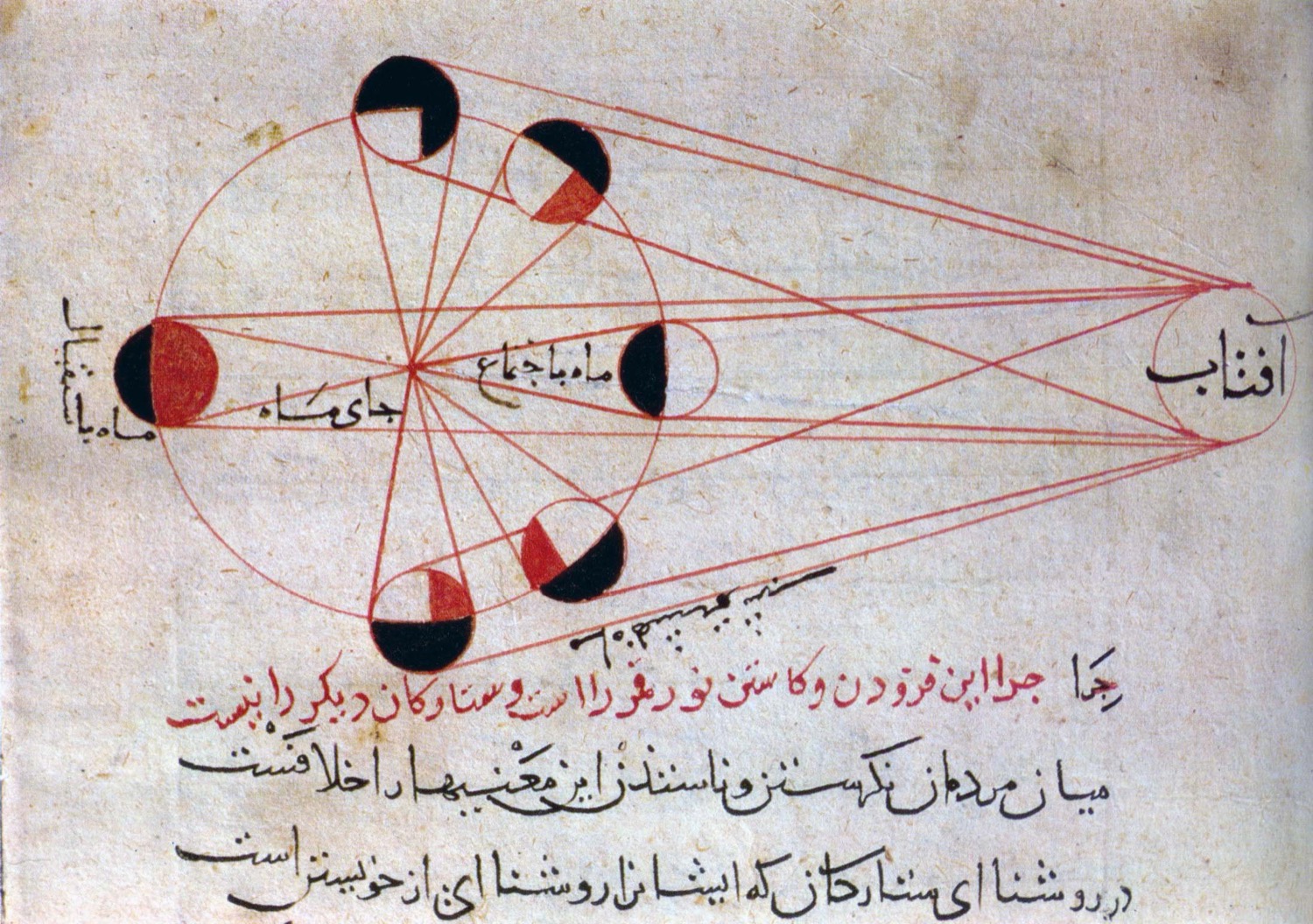
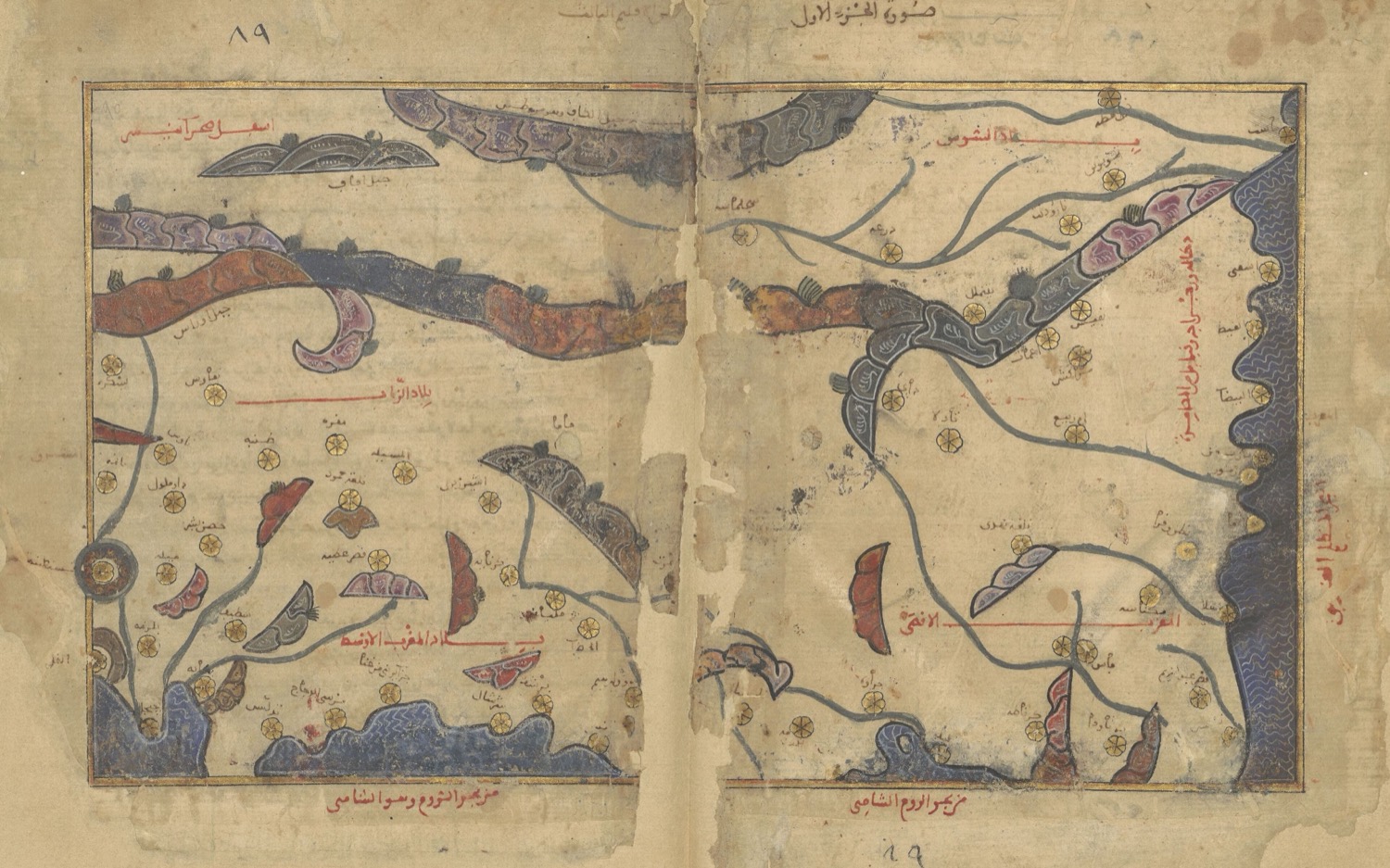
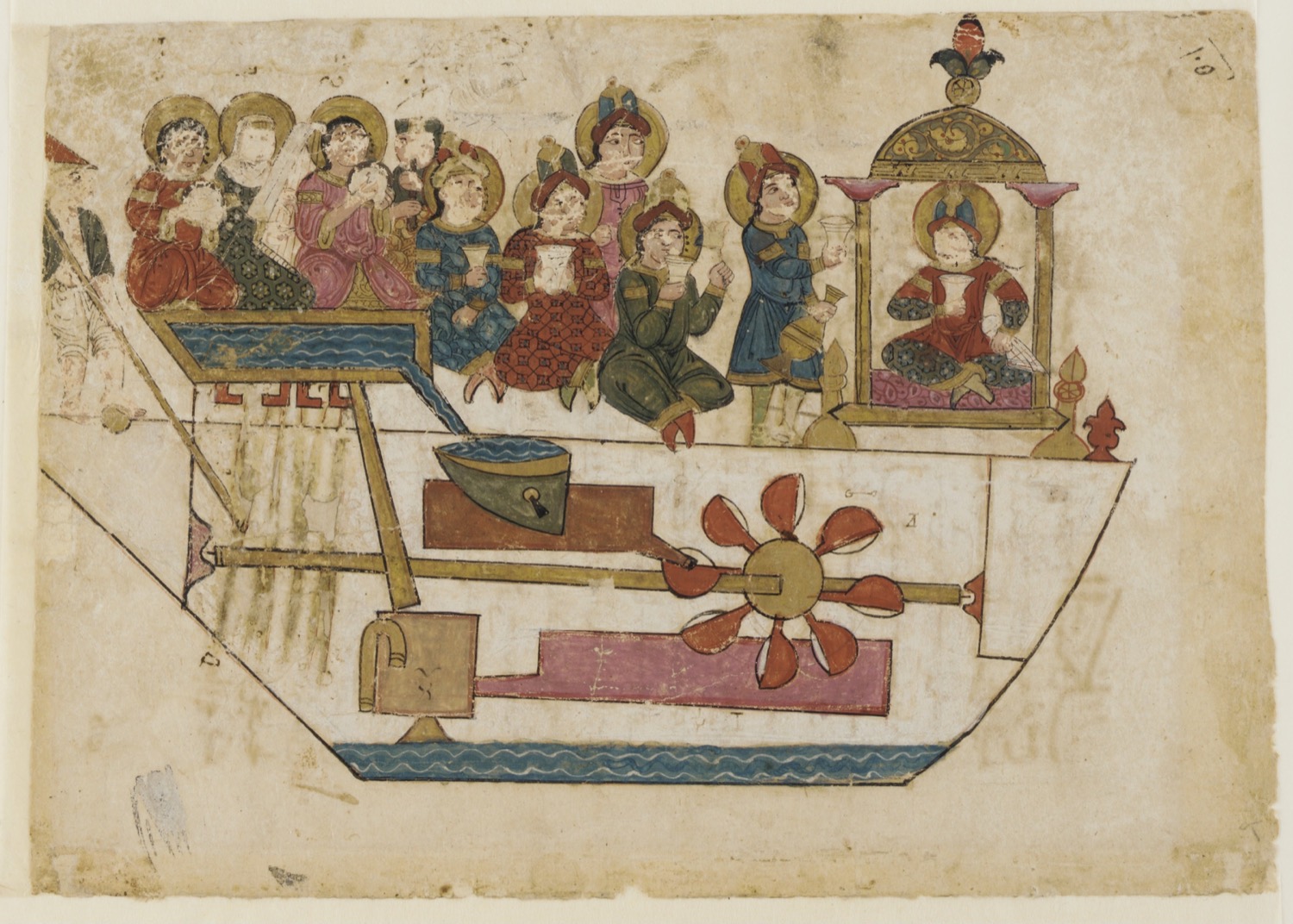
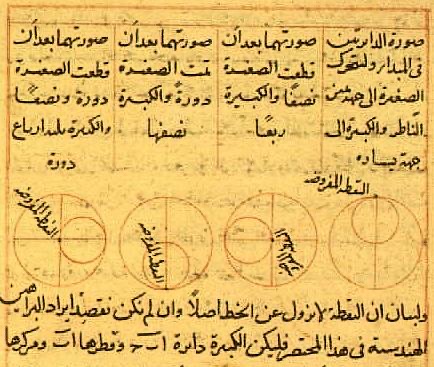
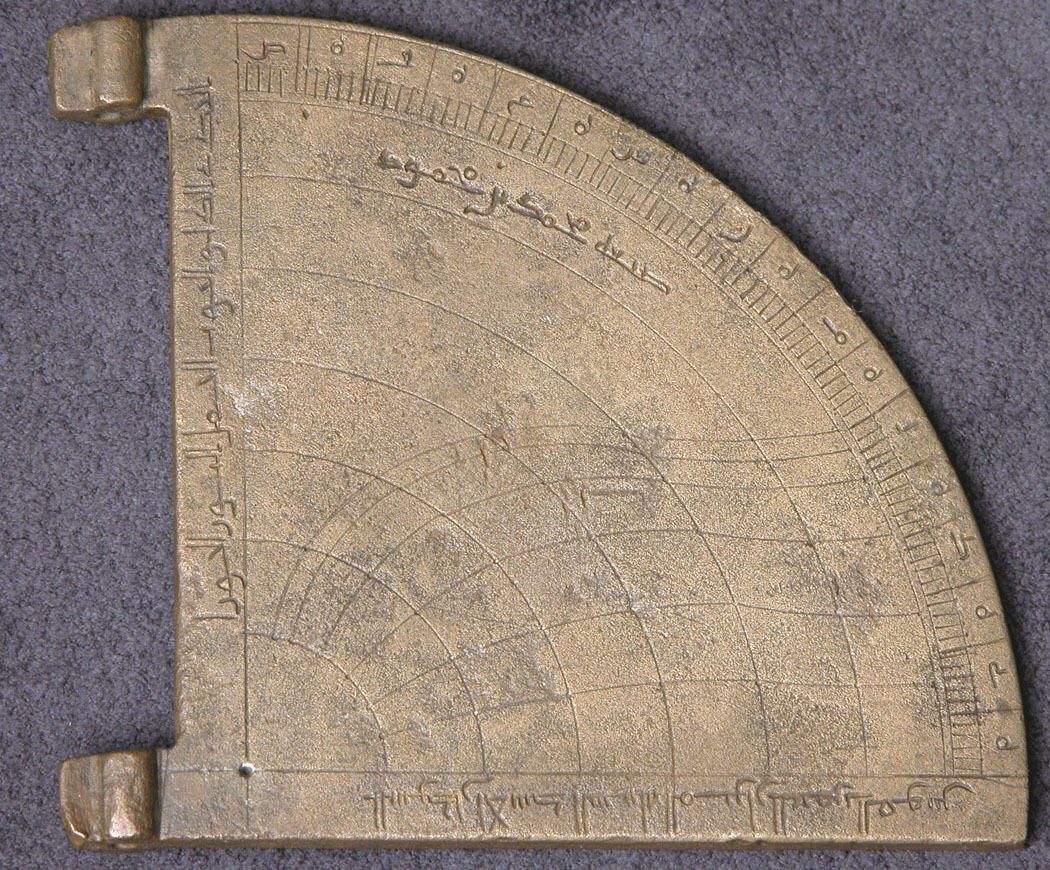
We used to write
the research papers
Algebra, optics, surgery, astronomy, maps. Nobody on these pages was waiting for a headline.
The margin was always where the thinking happened.
Pick up the workSix things this bench refuses
No miracle huntingThe verse comes first, or it is not here.
No numerologyA number needs a method, not a coincidence.
No sect labelsNo Barelvi, Deobandi, Salafi, Shia or Sunni tags.
No twisting the ArabicChecked against the classical lexicons, every time.
No ritual fiqhThis is not a fatwa desk.
No likesYou support, you refute, or you branch.
Read the blogs
The argument behind AASAAR, one question at a time.
Quran and Science: Is the Quran a Science Book?
“Not a science book” is the wrong conclusion. Why research from the Quran can’t close, and why it should have come from us.
Read the postQuestions
Why is it called AASAAR?
In 46:4 the Quran challenges those who worship others besides Allah to back their claim with evidence, even “a trace of knowledge.” The challenge is in our book, so the next trace of knowledge should come from us. Read the story
Is this another tafsir app?
No. Tafsir is a library you read backwards. AASAAR is a workbench you write forwards, and the output is a hypothesis with your name on it.
Is this “Quran and science” miracles?
No, and that is the whole point. Here the verse comes first and the research paper follows.
Do I need to know Arabic?
Not to start. Every word opens its root, its range and its uses, in English and Urdu.
Who reviews a research paper?
Two people who rarely sit in the same room. A scholar of classical Arabic, who checks the root and the context, and a researcher in the field, who checks the method, the data and the maths.
Which school of thought is this for?
None. There are no sect tags on the platform, and a post that carries one is removed. The only label on a note is the verse it came from.
I am fourteen. Can I post?
Yes. The first note needs no permission and no review.
Does the app write the research paper for me?
No. It asks the questions a supervisor would ask and won’t move on until you answer them.
Not a book we defend.
It is the book we think with.
Which ayah would you start with?
What would you go and find out?